We are grateful to work on the homelands of First Nations across all of what we now call British Columbia. We thank the caretakers of these lands and honour their long tradition of supporting the health and safety of their people.
We are specifically grateful to the lək̓ʷəŋən (Lekwungen) speaking peoples- the Songhees and Xwsepsum First Nations and the W̱SÁNEĆ, Sḵwx̱wú7mesh Úxwumixw (Squamish Nation), xʷməθkʷəy̓əm (Musqueam) and sel̓íl̓witulh (Tsleil-Waututh) Peoples, on whose territories our offices are located. We recognize and respect the distinct rights, cultures and histories of all Indigenous Peoples (First Nations, Métis and Inuit) who live in British Columbia.
Our commitment
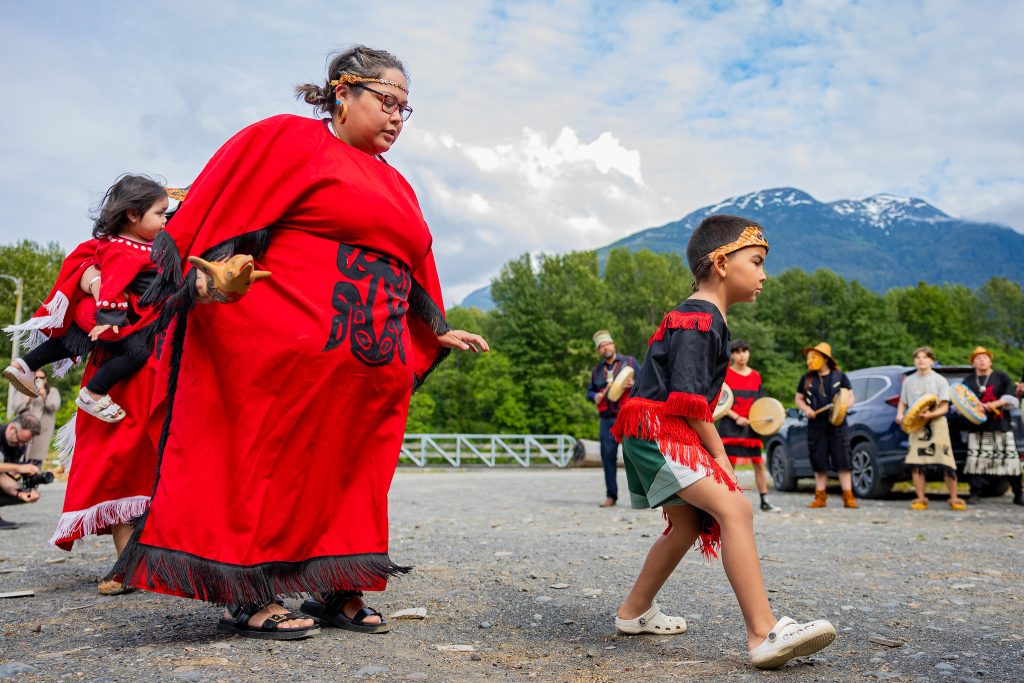
The Oversight Office recognizes First Nations, Métis and Inuit communities and their longstanding tradition of supporting the health and safety of their people.
Our work is guided by the findings of the In Plain Sight Report (PDF, 13.9MB) and the United Nations Declaration on the Rights of Indigenous Peoples (PDF, 150MB). In Plain Sight details that Indigenous staff and patients of the health care system regularly face discrimination and racism more than other populations.
The Health Professions and Occupations Act (HPOA) and its guiding principles inform and direct all aspects of our work. The health professional regulatory colleges we oversee must also uphold the HPOA guiding principles in every aspect of work.
Applying these principles in our work
We support and promote:
- Awareness of reconciliation with Indigenous Peoples
- The United Nations Declaration on the Rights of Indigenous Peoples
- The need to address racism and anti-racism issues that are specific to Indigenous peoples, including acknowledging the rights, interests, priorities and concerns that are specific to First Nations peoples, Métis peoples and Inuit peoples
- Procedural fairness
- A holistic health care system that encourages collaboration
Within our role, we commit to:
- Continuous improvement of our policies, processes and practices
- Identify practices, policies or processes that are discriminatory, within the scope of our mandate
- Respect the privacy of persons who interact and engage with our work
- Be transparent in the delivery of our mandate
Definitions
Discrimination is a broad term that refers to treating people unfairly or unequally based on characteristics such as age, gender, sex, religion, Indigenous Identity, disability or race.
Racism is discrimination based specifically on race or ethnicity. It involves prejudice, stereotyping and/or systemic practices that disadvantage people because of their racial or ethnic identity.
Indigenous-specific racism is race discrimination that affects Indigenous peoples in Canada. It is rooted in settler colonialism and has led to ongoing practices of systemic discrimination and inequity. This form of racism shows up in various ways, including negative stereotyping, bias and prejudice. It can contribute to power imbalances and inequities in society.
Ongoing learning
We are committed to advancing a non-discriminatory approach in our work with First Nations, Métis, Inuit and urban Indigenous People and communities. Through collaboration, accountability and continuous learning, we strive to:
- Build and sustain ongoing relationships rooted in respect, reciprocity and responsibility
- Advance reconciliation and uphold the highest standards of equity and integrity in health care